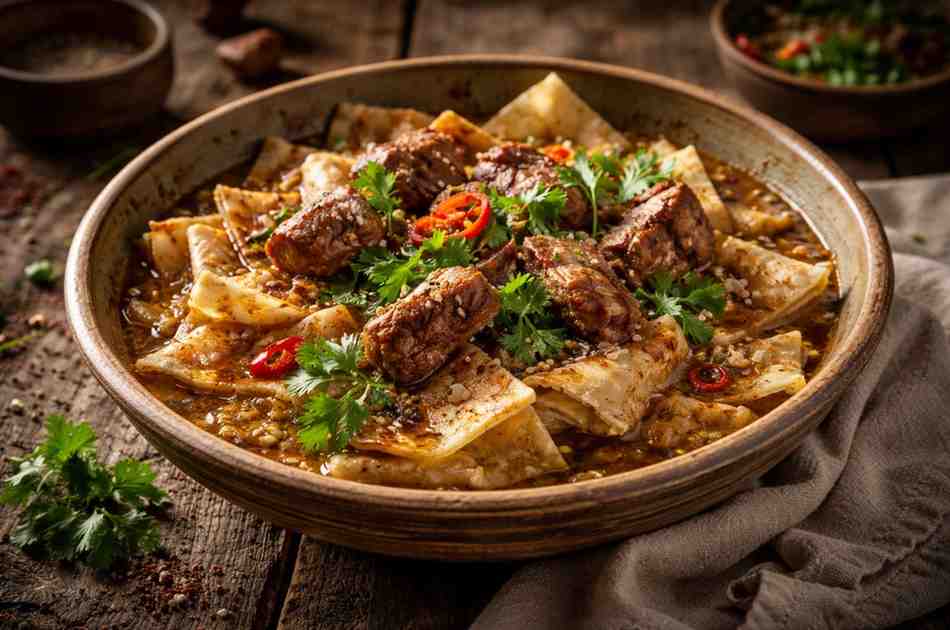
Tharid (also spelled Thareed or Tharīd) is more than just a dish—it is a symbol of cultural heritage, generosity, and spiritual tradition. Originating in the Arabian Peninsula, Tharid has been cherished for centuries as a comforting, nourishing meal that brings families and communities together. Often described as a savory bread and stew combination, Tharid holds a special place in Islamic tradition and Arab culinary history. Its simplicity, adaptability, and depth of flavor make it a beloved dish that continues to thrive in modern kitchens.
The Origins of Tharid
Tharid traces its roots back to the ancient Bedouin culture of the Arabian Peninsula. In a harsh desert environment where resources were limited, people relied on simple, nourishing ingredients that could be stored easily and prepared efficiently. Bread, meat, and broth formed the foundation of daily sustenance, and Tharid emerged as an ingenious way to combine these elements into a hearty and satisfying meal.
The dish traditionally consists of thin flatbread (such as khubz or regag) soaked in a rich meat and vegetable broth. Over time, this practical meal evolved into a cherished culinary tradition, passed down through generations.
Religious and Cultural Significance
Tharid holds a unique place in Islamic tradition. It is famously mentioned in several Hadiths (sayings of the Prophet Muhammad, peace be upon him). One of the most well-known narrations compares the excellence of Aisha (may Allah be pleased with her) among women to the excellence of Tharid among foods, highlighting the dish’s esteemed status.
Because of this association, Tharid is often prepared during the holy month of Ramadan. It is a popular choice for iftar—the meal that breaks the daily fast—because it is nourishing, easy to digest, and deeply comforting. Families across the Middle East prepare large pots of Tharid to share with neighbors, guests, and the less fortunate, reinforcing values of generosity, hospitality, and community.
Ingredients and Traditional Preparation
Core Ingredients
- Thin flatbread (regag, khubz, or similar)
- Meat (commonly lamb or chicken)
- Onions
- Garlic
- Tomatoes
- Potatoes
- Carrots
- Zucchini or pumpkin
- Spices such as turmeric, cumin, coriander, black pepper, and cinnamon
- Salt and fresh herbs
Traditional Cooking Method
- Preparing the Broth: Meat is slow-cooked with onions, garlic, and spices until tender, forming a flavorful base.
- Adding Vegetables: Seasonal vegetables are added to enrich the broth and provide texture.
- Layering the Bread: Thin pieces of flatbread are torn and layered in a serving dish.
- Soaking: The hot broth and its contents are poured over the bread, allowing it to absorb the flavors while maintaining a soft, layered consistency.
- Serving: Tharid is served warm, often garnished with fresh herbs, and enjoyed communally.
Regional Variations
- Saudi Arabia: Prepared with lamb and root vegetables, flavored with warming spices. Popular during Ramadan and family gatherings.
- United Arab Emirates: Uses regag bread and a lighter broth, focusing on delicate spice blends and fresh vegetables.
- Yemen: Sometimes called “Fatta,” may include fenugreek and unique spice mixtures, offering a slightly tangy and robust flavor profile.
- Oman: Features slow-cooked meat and local spices, resulting in a richly aromatic dish with deep, complex flavors.
Nutritional Value and Health Benefits
- Protein: From meat or poultry, aiding muscle growth and repair.
- Carbohydrates: From bread, offering energy and satiety.
- Vitamins and Minerals: From vegetables, supporting immunity and overall health.
- Hydration: The broth contributes to fluid intake, especially beneficial during fasting.
Tharid in Modern Cuisine
Today, chefs and home cooks alike are reimagining Tharid to suit contemporary tastes and dietary preferences. Vegetarian and vegan versions replace meat with legumes, mushrooms, and rich vegetable broths. Some chefs present Tharid in deconstructed or gourmet formats, elevating its visual appeal while preserving its traditional flavors.
Fusion adaptations incorporate global spices, alternative grains, or artisanal breads, allowing Tharid to transcend cultural boundaries while maintaining its identity. Despite these innovations, the heart of Tharid remains unchanged: comfort, nourishment, and community.
Tharid as a Social Experience
Tharid is traditionally eaten communally, reinforcing bonds among family and friends. Large platters are placed at the center of the table, and everyone shares from the same dish. This practice symbolizes unity, humility, and togetherness, making the meal as emotionally fulfilling as it is physically satisfying.
In Arab culture, offering Tharid to guests is a gesture of respect and generosity, embodying the spirit of hospitality that defines the region.
Conclusion
Tharid is a dish that transcends time, geography, and generations. Rooted in ancient tradition and enriched by cultural and spiritual significance, it continues to nourish both body and soul. Whether enjoyed during Ramadan, family gatherings, or everyday meals, Tharid remains a powerful reminder of the beauty of simple, honest food.
In every spoonful of soaked bread and aromatic broth lies a story of resilience, faith, and shared humanity. As modern kitchens reinterpret this classic dish, Tharid stands proudly as a testament to the enduring power of culinary heritage.